
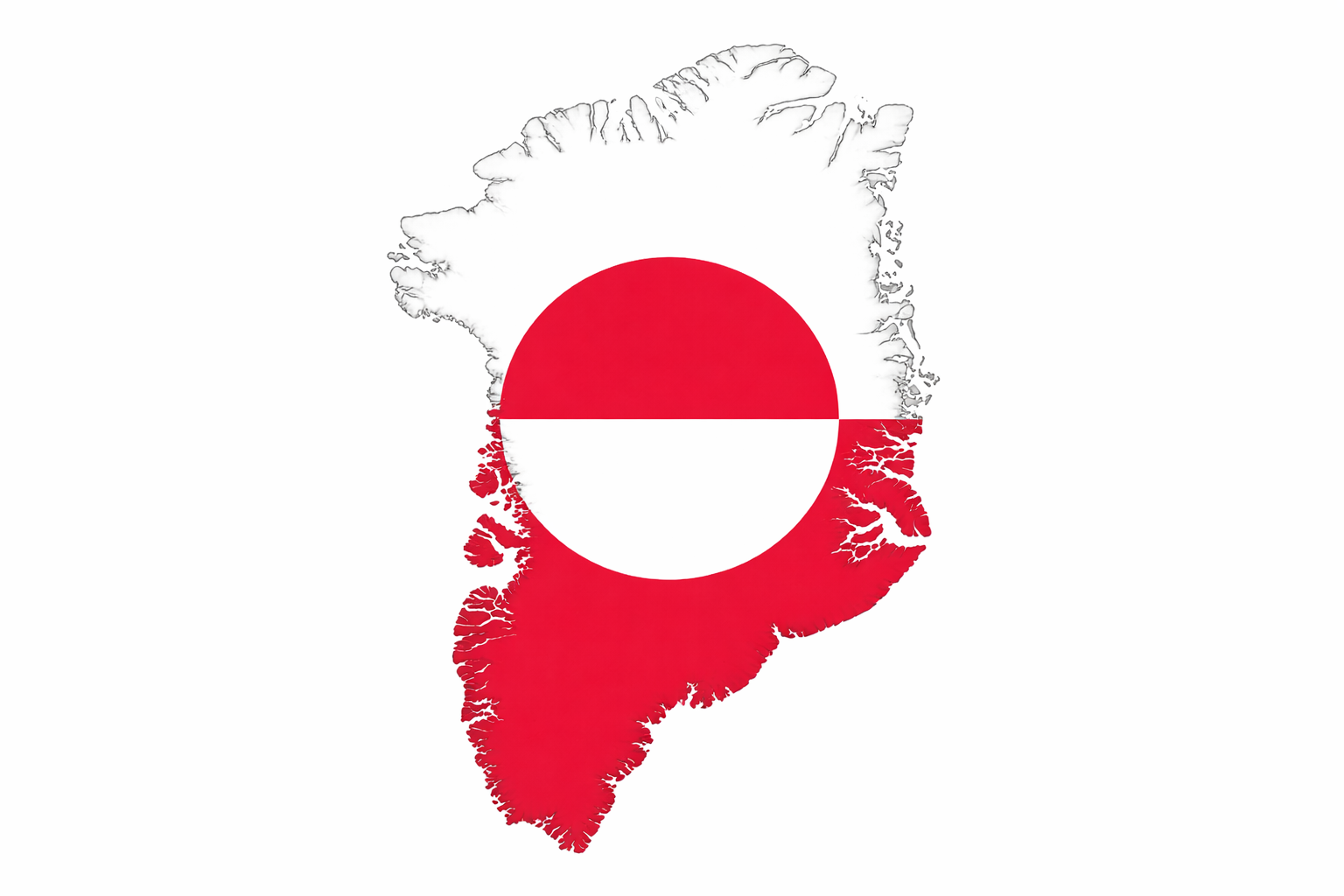
Why is Greenland part of the Kingdom of Denmark?
The question of why Greenland is politically part of Denmark is once again the subject of intense debate. This debate has been triggered by geopolitical tensions, the USA’s strategic interests, and a renewed independence debate in Greenland itself. The short answer is: for historical, international legal and political reasons. However, the detailed explanation is much more complex.
First Settlers and European Claims
The Inuit have inhabited Greenland for thousands of years. European sailors arrived during the Middle Ages, but a permanent political relationship only formed much later. Starting in the 18th century, Denmark gradually colonised Greenland and incorporated it into the Danish kingdom, establishing the current political status.
Treaty on Greenland and classification under international law
The legal status of Danish sovereignty over Greenland is well established. The 1916 Greenland Treaty confirms that the United States recognises Denmark’s claim to the entire territory. Further international rulings reinforce this legal stance. As a result, Greenland is definitively recognised as part of Danish territory under international law.
Greenland’s autonomy
A common misconception is that Greenland remains a traditional colony, but this is inaccurate. In 1979, Greenland gained extensive self-governance, which was further enhanced by the Autonomy Act of 2009. Since then, Greenland has managed most internal matters, such as education, health, the environment, fisheries, and mining. Denmark primarily handles foreign policy, defense, and currency. It’s also crucial to note that since 2009, Greenland has the right to fully secede from Denmark via referendum, making membership both legally voluntary and subject to political negotiation.
EU membership and special status
In 1973, Greenland joined the European Community alongside Denmark. After achieving autonomy, the Greenlandic people voted to exit in 1982, leading Greenland to leave the EU in 1985. Currently, Greenlanders remain Danish citizens but are not EU citizens. Despite this, the island maintains strong partnerships with the EU, particularly in raw materials, research, and fisheries. These collaborations underscore Greenland’s unique status.
Current debate and external interests
Donald Trump’s recent remarks have reignited the global discussion on belonging. Proposals to purchase Greenland, along with threats of tariffs and military actions, have been broadly rejected in both Greenland and Europe. Surveys indicate that the vast majority of Greenlanders do not wish to be part of the US or engage in geopolitical conflicts.
Bottom line
Greenland is part of Denmark based on historical claims, international treaties, and current international law. However, it is not just a passive possession; it is an autonomous territory with the right to self-determination. The key issue is not ownership but who makes decisions about its future. According to current law, that authority lies solely with the Greenlanders.
References
(1) https://visitgreenland.com/activities/history-of-greenland/
(2) https://www.diis.dk/en/research/why-is-greenland-part-of-the-kingdom-of-denmark-a-short-history
(3) https://da.uni.gl/media/tk0nv5pm/volquardsen-2023-greenland-history-and-society.pdf
